
Fractional Real Estate Ownership: The Modern Way to Invest in Property
Real estate has long been considered a cornerstone of wealth building, but the high costs of entry have kept many potential investors on the sidelines. Fractional real estate ownership is changing this paradigm, making it possible to invest in properties with minimal capital while still enjoying the benefits of real estate investing. This comprehensive guide explores how fractional ownership works, its advantages and limitations, and how to determine if it’s the right investment strategy for you.
What Is Fractional Real Estate Ownership?
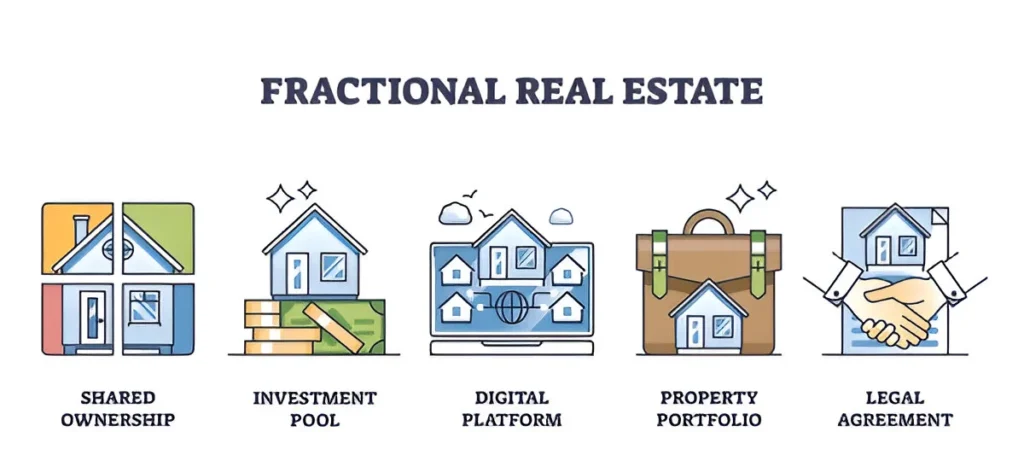
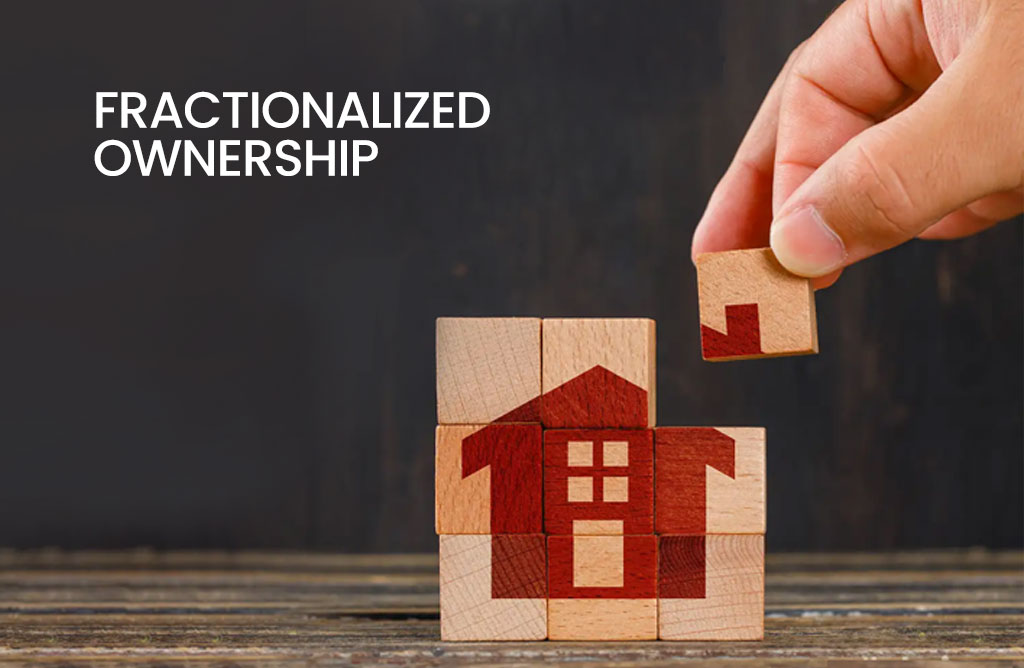
Fractional real estate ownership is an investment model that allows multiple investors to purchase shares of a property rather than buying it outright. Think of it as splitting the cost of an expensive asset among several people, with each investor owning a percentage based on their investment amount.
Unlike timeshares, which only provide usage rights for specific time periods, fractional ownership gives you actual equity in the property. This means you can benefit from both rental income and property appreciation proportional to your ownership stake.
The concept has gained significant traction in recent years, with numerous platforms emerging to facilitate these investments. Through specialized investment vehicles like LLCs or REITs (Real Estate Investment Trusts), investors can now access real estate opportunities that were previously out of reach.
How Fractional Real Estate Ownership Works
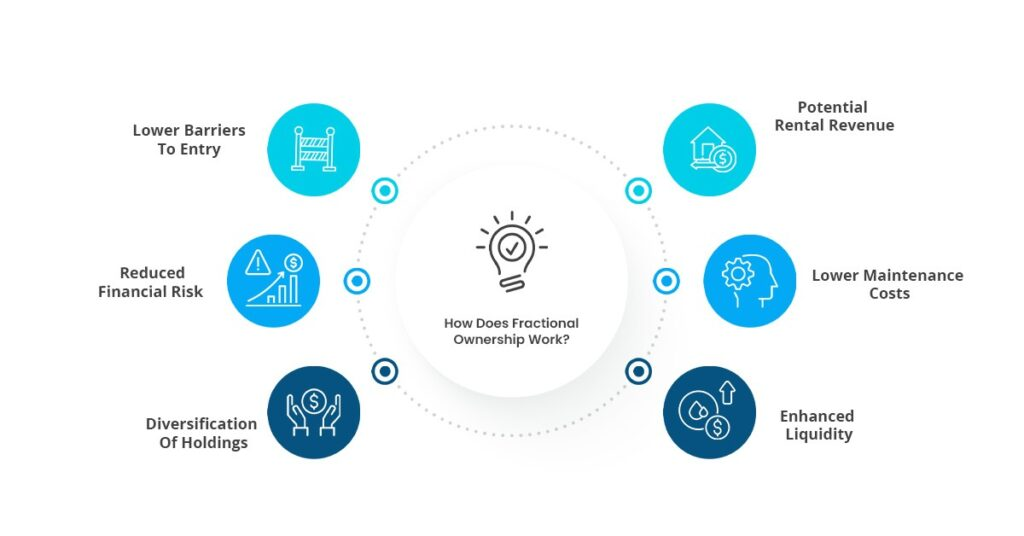
The process of investing in fractional real estate typically follows these steps:
Property Selection: The investment platform identifies and purchases promising properties with strong potential for income and appreciation.
Legal Structure Creation: A special purpose vehicle (SPV), usually an LLC, is formed to hold the property and manage ownership shares.
Share Offering: The property is divided into shares or “fractions” that investors can purchase, often with minimums as low as $100-$500.
Professional Management: A property management company handles day-to-day operations, tenant relations, maintenance, and rent collection.
Income Distribution: Rental income, minus expenses and management fees, is distributed to investors proportionally to their ownership percentage.
Exit Strategy: Eventually, the property may be sold (typically after 5-7 years), and investors receive their share of the proceeds, including any appreciation.
Many platforms now use blockchain technology to tokenize real estate assets, creating digital tokens that represent ownership shares. This approach can increase liquidity and make it easier to buy or sell your investment shares.
Benefits of Fractional Real Estate Ownership

Advantages
Low Barrier to Entry: Invest in high-quality real estate with as little as $100, compared to the tens of thousands needed for traditional down payments.
Portfolio Diversification: Spread your investment across multiple properties and markets rather than concentrating risk in a single asset.
Passive Income: Earn regular dividends from rental income without landlord responsibilities.
Professional Management: Benefit from expert property selection and management without needing real estate expertise.
Access to Premium Markets: Invest in luxury properties or high-growth markets that would otherwise be unaffordable.
Potential Tax Benefits: Enjoy some of the same tax advantages as traditional real estate investors, including depreciation deductions.
Limitations
Limited Control: You have little say in property management decisions or when to sell.
Potential Liquidity Constraints: It may be difficult to sell your shares quickly if you need immediate access to your capital.
Management Fees: Platforms typically charge acquisition fees (3-5%) and ongoing management fees (0.5-1% annually).
Longer Investment Horizon: Most fractional investments are designed to be held for 5-7 years.
Platform Risk: The success of your investment depends partly on the platform’s stability and management quality.
Ready to explore fractional real estate opportunities?
Start building your real estate portfolio with investments as low as $100.
Fractional Ownership vs. Traditional Real Estate Investment Methods
Understanding how fractional ownership compares to other real estate investment options can help you determine which approach best fits your financial goals and situation.
| Investment Model | Minimum Investment | Liquidity | Management Responsibility | Control Level | Potential Returns | Risk Profile |
| Fractional Ownership | $100-$500 | Low to Medium | None (Professional) | Limited | 8-15% annually | Medium |
| Direct Property Ownership | $20,000-$100,000+ | Very Low | High (or hire manager) | Complete | 8-20% annually | High |
| REITs | $1-$100 | High (for public REITs) | None | None | 5-12% annually | Medium |
| Real Estate Crowdfunding | $1,000-$25,000 | Low | None | Very Limited | 7-15% annually | Medium to High |

Top Fractional Real Estate Ownership Platforms
Several platforms have emerged to facilitate fractional real estate investments, each with unique offerings and investment minimums. Here are some of the leading options to consider:
Arrived
Specializes in single-family rental homes and vacation properties with a $100 minimum investment. Offers quarterly dividends and handles all property management. Average annual returns of approximately 18.6%.
Fees: 3.5% sourcing fee for rentals, 0.15% AUM fee
Accessibility: Open to non-accredited investors
Fundrise
Offers diversified real estate portfolios starting at just $10. Focuses on both income and growth strategies with a mix of residential and commercial properties. Historical returns around 10.79%.
Fees: 0.15% advisory fee plus 0.85% for real estate funds
Accessibility: Open to non-accredited investors
RealT
Blockchain-powered platform offering tokenized real estate investments globally. Focuses on US residential properties with ownership recorded on blockchain for increased liquidity and transparency.
Fees: Varies by property
Accessibility: Available worldwide with some restrictions

Luxury Shares
Specializes in luxury vacation properties worldwide. Uses tokenization to create a liquid marketplace for high-end vacation homes that would typically be inaccessible to most investors.
Fees: Varies by property
Accessibility: Available to qualified investors
Ember
Focuses on vacation real estate with a streamlined co-ownership model. Handles the entire purchasing process and property management, allowing investors to own shares of vacation properties without management hassles.
Fees: Property-specific management fees
Accessibility: Available to various investor types

Strata
India-based platform specializing in commercial real estate with approximately $30,000 minimum investment. Creates Special Purpose Vehicles for property ownership and distributes returns monthly.
Fees: 3% management fee plus 20% on returns when property is sold
Accessibility: Primarily for Indian investors
How to Get Started with Fractional Real Estate Ownership
1
Assess your investment goals and risk tolerance. Determine how much you want to invest, your time horizon, and whether you prioritize income or appreciation.
2
Research platforms thoroughly. Compare minimum investments, fees, property types, historical returns, and user reviews.
3
Create an account on your chosen platform. This typically involves identity verification to comply with financial regulations.
4
Browse available properties. Most platforms provide detailed information about each property, including location, financials, and projected returns.
5
Start small and diversify. Begin with the minimum investment across several properties rather than concentrating in one.
6
Monitor your investments. Track performance through the platform’s dashboard and reinvest dividends if possible.
7
Consider tax implications. Consult with a tax professional about potential deductions and reporting requirements.
“The beauty of fractional real estate investing is that it allows you to build a diversified property portfolio with relatively small amounts of capital. This dramatically reduces risk while maintaining exposure to real estate’s potential for both income and appreciation.”
— Real Estate Investment Advisor
Important Considerations Before Investing

Due Diligence Checklist: Before investing in any fractional real estate platform, thoroughly research the company’s track record, read the offering documents carefully, understand the fee structure, and consider the platform’s financial stability.
Platform Evaluation Factors
Company Stability
Research how long the platform has been operating, their funding status, and management team experience. Newer platforms may offer innovative features but carry more operational risk.
Liquidity Options
Determine if and how you can sell your shares before the property itself is sold. Some platforms offer secondary marketplaces, while others have redemption programs with restrictions.
Fee Structure
Understand all fees involved, including acquisition fees, management fees, and potential exit fees. These can significantly impact your overall returns.
Property Selection Process
Evaluate how properties are selected and what due diligence the platform performs. Quality platforms have rigorous selection criteria and provide transparent property information.
Tax Considerations: Fractional real estate ownership typically provides many of the same tax benefits as direct ownership, including potential deductions for mortgage interest, property taxes, and depreciation. However, the tax structure varies by platform, so consult with a tax professional.
Frequently Asked Questions About Fractional Real Estate Ownership
Is fractional real estate ownership the same as a timeshare?
No. Timeshares only provide usage rights for a specific time period each year, with no ownership equity. Fractional real estate ownership gives you actual equity in the property, allowing you to benefit from both rental income and property appreciation.
Do I need to be an accredited investor?
It depends on the platform. Many fractional ownership platforms like Arrived and Fundrise are open to non-accredited investors, while others may restrict certain offerings to accredited investors only (individuals with $1M+ net worth or $200K+ annual income).
How liquid is my fractional real estate investment?
Fractional real estate is generally less liquid than stocks or bonds. Most platforms have a target hold period of 5-7 years. Some offer early redemption options or secondary marketplaces, but these may have restrictions or fees. Always consider fractional real estate as a medium to long-term investment.
What happens if the property management company goes out of business?
This depends on the legal structure. In most cases, the properties are held in separate legal entities (SPVs) that would remain intact even if the platform fails. However, there could be disruption in management and reporting. This is why evaluating the platform’s financial stability is important.
Is Fractional Real Estate Ownership Right for You?
Fractional real estate ownership represents a significant innovation in property investing, making real estate accessible to a much broader range of investors. It offers a compelling middle ground between direct property ownership and REITs, combining some of the benefits of both approaches.
This investment model is particularly well-suited for:
New investors looking to enter the real estate market with limited capital
Experienced investors seeking to diversify across multiple properties or markets
Passive investors who want real estate exposure without management responsibilities
Those interested in accessing premium real estate markets that would otherwise be unaffordable
However, it’s important to approach fractional ownership with realistic expectations about liquidity constraints and the longer investment horizon typically required. As with any investment, diversification across multiple properties and platforms can help manage risk.
Ready to build your real estate portfolio?
Start your fractional real estate investment journey today with as little as $100.