

Fractional ownership in real estate offers an alternative path to property investment, allowing multiple investors to share the purchase and ownership of high-value properties. This investment model has gained popularity as real estate prices continue to climb in desirable locations, making it increasingly difficult for individual investors to enter the market. Whether you’re considering a vacation home, luxury property, or diversifying your investment portfolio, understanding fractional ownership could open new opportunities with reduced financial commitment.

What is Fractional Ownership in Real Estate?
Fractional ownership in real estate is a property investment model where multiple investors share the purchase and ownership of a single property. Each investor holds a deed for their portion of the property, typically represented as a percentage. Unlike timeshares, which only provide usage rights for specific time periods, fractional ownership grants actual equity in the property itself.
With this model, owners receive a deed for their fraction of the property, share in any appreciation or depreciation of the asset’s value, and have specific usage rights proportional to their ownership stake. Fractional owners also share the responsibilities of property maintenance, taxes, and management costs based on their ownership percentage.
Want to Learn More About Real Estate Investment Options?
Subscribe to our newsletter for expert insights, market trends, and exclusive investment opportunities delivered straight to your inbox.
Subscribe NowHow Fractional Ownership Works in Real Estate
Fractional ownership operates through a structured legal framework that protects all investors while providing clear guidelines for property usage and management. Here’s a breakdown of how this investment model typically functions:
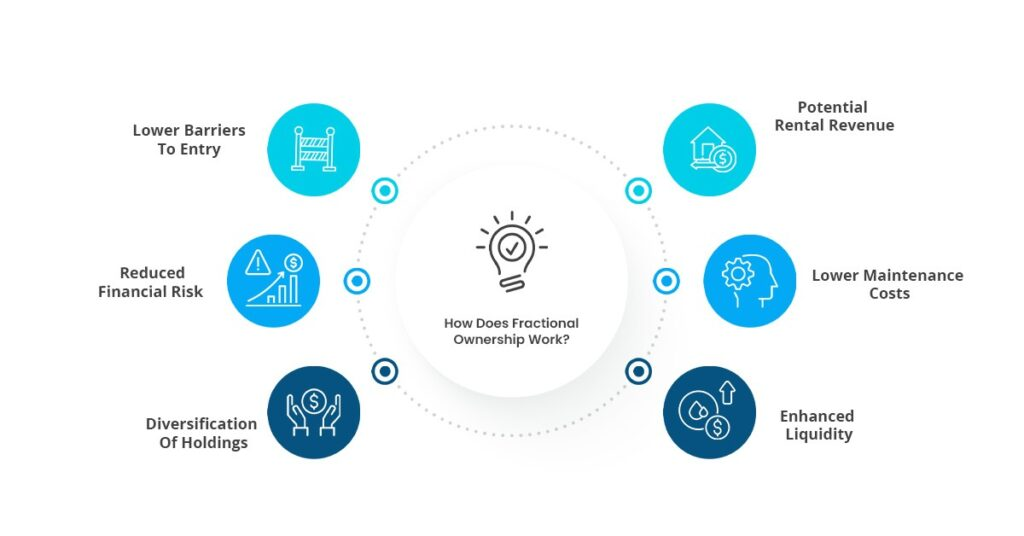
Legal Structure
Most fractional ownership arrangements are structured through one of two primary legal frameworks:
- Limited Liability Company (LLC): Owners purchase shares in an LLC that holds the property title. This structure provides liability protection and clear governance through an operating agreement.
- Tenancy in Common (TIC): Each owner holds a separate deed for their percentage of the property. This arrangement allows for different ownership percentages and independent selling of shares.
Ownership Rights and Responsibilities
When you invest in fractional real estate, you gain specific rights and take on certain responsibilities:
Rights Include:
- Deeded ownership of your share
- Usage rights proportional to ownership percentage
- Share in property appreciation
- Voting rights on property decisions
- Ability to sell or transfer your share
Responsibilities Include:
- Share of property taxes
- Portion of maintenance costs
- HOA or management fees
- Insurance costs
- Compliance with ownership agreement
Usage Scheduling
One of the most important aspects of fractional ownership is determining when each owner can use the property. Common scheduling methods include:
- Fixed Schedule: Each owner is assigned specific weeks or months each year
- Rotating Schedule: Usage periods rotate among owners year to year to ensure fairness
- Points-Based System: Owners receive points based on their ownership share to book time
- Lottery System: Peak periods are assigned through a lottery to ensure equal access
Management Structure
Most fractional ownership properties employ professional management to handle day-to-day operations:
- Property maintenance and repairs
- Cleaning between owner stays
- Scheduling coordination
- Bill payment and accounting
- Enforcement of ownership agreement terms
Types of Fractional Ownership in Real Estate
Fractional ownership comes in several forms, each with unique characteristics that may appeal to different investor needs:

Private Residence Clubs
These represent the luxury end of fractional ownership, typically offering high-end properties with extensive amenities and services. Ownership shares are usually divided among fewer investors (typically 4-12), providing more usage time and a more exclusive experience. These clubs often include concierge services, housekeeping, and other luxury amenities.
Destination Clubs
Rather than owning a fraction of a single property, members purchase access to a portfolio of properties in different locations. This model provides variety but may offer less equity in specific properties. Usage is typically based on a reservation system rather than fixed weeks.
Developer-Sponsored Fractional Ownership
Real estate developers sometimes offer fractional ownership in new developments as an alternative sales strategy. These arrangements typically include professional management and amenities similar to those found in hotels or resorts.
Self-Organized Fractional Ownership
Groups of friends, family members, or like-minded investors sometimes organize their own fractional ownership arrangement. These typically involve fewer owners and more flexible usage arrangements but require more self-management.
Confused About Fractional Ownership Legal Structures?
Download our free guide that explains the legal frameworks, tax implications, and contract considerations for fractional real estate investments.
Get Free GuideFractional Ownership vs. Other Real Estate Investment Models
To better understand where fractional ownership fits in the real estate investment landscape, it’s helpful to compare it with other common investment models:

| Feature | Fractional Ownership | Timeshare | REITs | Traditional Ownership |
| Ownership Type | Deeded ownership of a percentage of the property | Right to use for specific time periods only | Shares in a company that owns multiple properties | Full deeded ownership of entire property |
| Initial Investment | Moderate (typically 1/4 to 1/12 of property value) | Low to moderate (1/52 of property value or less) | Very low (can start with a few hundred dollars) | High (full property value plus closing costs) |
| Maintenance Responsibility | Shared proportionally among owners | Included in annual fees | None (handled by the REIT) | Full responsibility of the owner |
| Usage Rights | Typically 4-12 weeks per year based on share size | Usually 1 week per year, sometimes exchangeable | No usage rights | Unlimited, year-round access |
| Liquidity | Moderate (can be sold but market may be limited) | Low (often difficult to sell) | High (easily traded on stock exchanges) | Low to moderate (depends on market conditions) |
| Potential for Appreciation | Yes, based on property market value | Limited to none (typically depreciates) | Yes, based on portfolio performance | Yes, full appreciation potential |
| Income Potential | Possible rental income during unused periods | Limited or prohibited by many agreements | Regular dividend payments | Full rental income potential |
| Decision Control | Shared with other owners | Limited to none | Voting rights as a shareholder | Complete control |
Key Differences Between Fractional Ownership and Timeshares
Though often confused, fractional ownership and timeshares represent distinctly different investment models:
Fractional Ownership
- Deeded ownership with equity in the property
- Typically fewer owners (4-12) sharing the property
- More usage time (weeks to months) per year
- Shares in property appreciation
- Often includes higher-end properties and amenities
Timeshare
- Right to use only, no equity ownership
- Many owners (up to 52) sharing the property
- Limited usage time (typically 1 week) per year
- No share in property appreciation
- Often depreciates in value over time
Benefits of Fractional Ownership in Real Estate
Fractional ownership offers several advantages that make it an attractive option for certain investors:

Lower Entry Cost
Perhaps the most significant advantage of fractional ownership is the reduced financial barrier to entry. By purchasing only a fraction of a property, investors can gain access to high-value real estate that might otherwise be financially out of reach. This allows for investment in premium locations and luxury properties at a fraction of the full purchase price.
Reduced Maintenance Burden
Fractional ownership distributes the responsibilities and costs of property maintenance among all owners. Professional management typically handles day-to-day operations, eliminating the time and effort required for individual owners to maintain the property. This is particularly valuable for vacation properties that would otherwise sit vacant for extended periods.
Potential for Appreciation
Unlike timeshares, which typically depreciate in value, fractional ownership provides an actual equity stake in the property. This means owners can benefit from any appreciation in the property’s market value over time, potentially resulting in a profitable investment when they decide to sell their share.
Lifestyle Benefits
Fractional ownership provides access to vacation homes and luxury properties without the full financial commitment of traditional ownership. Owners enjoy the comforts and conveniences of a private residence rather than a hotel room, often with high-end amenities and services included.
Portfolio Diversification
For investors looking to diversify their real estate holdings, fractional ownership allows for investment in multiple properties or locations with the same capital that would typically be required for a single traditional property purchase. This spreads risk across different markets and property types.
Potential Drawbacks of Fractional Ownership
While fractional ownership offers many benefits, it’s important to consider the potential disadvantages before investing:

Limited Usage
Perhaps the most significant drawback is the limited time you can actually use the property. Depending on your ownership share, you may only have access to the property for a few weeks or months each year. This can be restrictive, especially during peak seasons when all owners might want to use the property simultaneously.
Shared Decision Making
Major decisions about the property—such as renovations, furnishings, or management changes—typically require agreement among all owners. This can lead to compromises that don’t fully align with your personal preferences or delays in implementing changes.
Potential for Conflicts
Sharing ownership with others introduces the possibility of conflicts over usage schedules, maintenance standards, improvement decisions, or financial contributions. Even with a well-structured agreement, disagreements can arise that may affect your enjoyment of the property.
Resale Challenges
The market for fractional ownership shares is typically smaller than for whole properties, which can make selling your share more difficult. Finding a buyer who wants your specific fraction of that specific property may take time, potentially resulting in a longer sales process or lower resale value.
Financing Limitations
Obtaining financing for fractional ownership can be more challenging than for traditional real estate purchases. Fewer lenders offer mortgages for fractional shares, and those that do may charge higher interest rates or require larger down payments.
“Fractional ownership isn’t for everyone. It works best for those who understand exactly what they’re buying—a share of a property with both the benefits and limitations that come with shared ownership.”
Ideal Properties for Fractional Ownership
While fractional ownership can be applied to various property types, certain categories tend to be more suitable for this investment model:

Vacation Properties
Vacation homes in desirable destinations are among the most common properties for fractional ownership. These include:
- Beach Properties: Oceanfront or beachside homes and condos in popular coastal destinations
- Mountain Retreats: Ski chalets and mountain lodges near major ski resorts or hiking areas
- Lake Houses: Waterfront properties on popular recreational lakes
- Golf Properties: Homes and villas located on or near prestigious golf courses
Luxury Urban Properties
High-end apartments and condominiums in major cities are increasingly available through fractional ownership, offering:
- Prime locations in expensive urban centers
- Access to cultural attractions, dining, and entertainment
- Pied-à-terre for occasional city visits without the full cost of urban real estate
Resort Properties
Properties within resort developments often work well for fractional ownership due to:
- Built-in amenities and services (pools, spas, restaurants)
- On-site management and maintenance
- Security and controlled access
- Recreational facilities and activities
Specialty Properties
Some unique property types are also well-suited to fractional ownership:
- Vineyard Estates: Properties in wine regions with vineyard access or views
- Historic Properties: Unique historic homes that might be prohibitively expensive for individual ownership
- Yacht-Access Properties: Homes with private docks or marina access
Ready to Explore Fractional Ownership Opportunities?
Speak with one of our real estate investment advisors to discover available fractional properties that match your investment goals and lifestyle preferences.
Schedule a ConsultationThe Process of Buying Fractional Real Estate
Purchasing a fractional ownership share involves several key steps that differ somewhat from traditional real estate transactions:

-
Research and Property Selection
Begin by researching locations, property types, and fractional ownership companies that align with your investment goals and usage preferences. Consider factors like location, amenities, management quality, and ownership structure.
-
Due Diligence
Once you’ve identified a potential property, conduct thorough due diligence. This includes reviewing the property’s condition, financial statements, occupancy rates, management history, and any existing liens or legal issues.
-
Review the Ownership Agreement
Carefully examine the ownership agreement, which outlines the rights and responsibilities of all owners. Pay particular attention to usage allocation, maintenance provisions, governance structure, exit options, and any restrictions on resale or rentals.
-
Secure Financing (if needed)
If you’re not purchasing your share outright, research financing options specifically for fractional ownership. Be prepared for potentially higher down payment requirements and interest rates compared to traditional mortgages.
-
Legal Review
Have a real estate attorney with experience in fractional ownership review all documents before signing. This is crucial for understanding the legal implications of the ownership structure and identifying any potential issues.
-
Closing
The closing process typically involves signing the purchase agreement, ownership agreement, and any financing documents. You’ll also pay the purchase price, closing costs, and any initial management or maintenance fees.
Important Considerations Before Purchasing
- Verify that the property is professionally managed with a track record of success
- Understand exactly how usage scheduling works and whether it will meet your needs
- Research the developer or management company’s reputation and financial stability
- Consider the total cost of ownership, including purchase price, annual fees, and special assessments
- Understand the exit strategy and potential market for reselling your share
Managing Fractional Ownership Properties
Effective management is crucial to the success and enjoyment of fractionally owned properties. Here’s how management typically works:

Management Structures
Fractional properties typically use one of these management approaches:
- Professional Management Company: A third-party company specializing in fractional property management handles all aspects of operation.
- Developer Management: The original property developer continues to manage the property after selling fractional shares.
- Owner Association Management: An elected board of owners oversees a hired property manager or management team.
- Self-Management: In some smaller arrangements, owners may handle management responsibilities themselves, often rotating duties.
Management Responsibilities
Typical management services for fractional properties include:
Property Maintenance
- Regular cleaning and housekeeping
- Preventative maintenance
- Repairs and replacements
- Grounds and landscaping upkeep
- Systems and equipment servicing
Administrative Services
- Usage scheduling and calendar management
- Owner communications
- Financial management and reporting
- Vendor and contractor coordination
- Compliance with regulations
Management Costs
Management expenses are typically covered through regular fees paid by all owners:
- Annual Maintenance Fees: Cover routine maintenance, housekeeping, and management services
- Reserve Funds: Set aside for major repairs, renovations, and replacements
- Special Assessments: Occasional additional charges for unexpected expenses or major improvements
Owner Input and Governance
Most fractional ownership arrangements include a governance structure that allows owners to have input on management decisions:
- Annual or semi-annual owner meetings
- Elected owner boards or committees
- Voting rights on major decisions proportional to ownership share
- Regular financial and property condition reporting
Legal and Financial Considerations
Fractional ownership involves several important legal and financial aspects that potential investors should understand:

Legal Structure Options
The legal structure of fractional ownership significantly impacts your rights, responsibilities, and tax treatment:
- LLC (Limited Liability Company): Provides liability protection and clear governance through an operating agreement. Owners receive membership interests rather than deeds.
- TIC (Tenancy in Common): Each owner holds a separate deed for their percentage interest. Offers more flexibility but potentially less liability protection.
- Corporation: Some fractional arrangements use a corporation structure, with owners holding shares that correspond to usage rights.
Tax Implications
Fractional ownership can have various tax consequences depending on the structure and usage:
- Property Taxes: Typically shared proportionally among all owners based on their ownership percentage.
- Income Taxes: If the property generates rental income during your non-usage periods, this may be taxable.
- Deductions: Mortgage interest, property taxes, and certain expenses may be deductible if the property qualifies as a second home or investment property.
- Capital Gains: When selling your share, you may be subject to capital gains tax on any appreciation.
Consult a Tax Professional
Tax implications vary based on ownership structure, personal usage, rental activity, and local tax laws. Always consult with a tax professional familiar with fractional ownership before making investment decisions.
Insurance Considerations
Insurance for fractionally owned properties typically includes:
- Property Insurance: Covers the physical structure and is usually handled by the management company.
- Liability Insurance: Protects against claims from injuries or damages occurring on the property.
- Personal Property Insurance: Individual owners may need separate coverage for their personal belongings kept at the property.
Exit Strategies
Before investing, understand your options for eventually selling your share:
- Resale on Open Market: Selling to any interested buyer, though the market may be limited.
- Internal Sales: Some agreements give existing co-owners first right of refusal to purchase your share.
- Developer Buyback: Some developers offer to repurchase shares under certain conditions.
- Inheritance: Most fractional shares can be passed to heirs as part of an estate.
Future Trends in Fractional Real Estate Ownership
The fractional ownership model continues to evolve, with several emerging trends shaping its future:

Technology Integration
Technological advancements are streamlining fractional ownership processes:
- Blockchain and Tokenization: Digital tokens representing fractional ownership shares can increase liquidity and simplify transactions.
- Online Marketplaces: Dedicated platforms for buying and selling fractional shares are expanding the market.
- Mobile Apps: Property management and scheduling apps improve the owner experience and communication.
- Smart Home Technology: Remote access and monitoring systems enhance security and convenience for multiple owners.
Expanding Property Types
The fractional ownership model is extending beyond traditional vacation properties:
- Urban Residences: Fractional ownership of apartments in major cities for business travelers or part-time residents.
- Commercial Properties: Office spaces, retail locations, and industrial properties offered as fractional investments.
- Agricultural Land: Farmland and vineyards divided among multiple investors for both use and income.
- Recreational Facilities: Private sports complexes, marinas, and other recreational facilities.
Evolving Ownership Models
New approaches to fractional ownership are emerging:
- Hybrid Models: Combinations of fractional ownership with rental programs or hotel services.
- Membership-Based Access: Club models that provide access to multiple properties rather than ownership of specific shares.
- Co-Living Investments: Fractional ownership of properties designed for co-living arrangements in urban areas.
Market Expansion
The fractional ownership market is growing in several ways:
- Geographic Diversification: Expanding beyond traditional vacation destinations to emerging markets.
- Demographic Shifts: Appealing to younger investors and digital nomads seeking flexibility.
- Institutional Investment: Increasing interest from institutional investors in fractional ownership platforms.
Frequently Asked Questions About Fractional Ownership in Real Estate

How is fractional ownership different from a timeshare?
While both involve shared usage of a property, fractional ownership provides an actual deeded interest in the real estate asset, whereas timeshares typically only offer the right to use a property for a specific time period. Fractional ownership usually involves fewer owners (typically 4-12 compared to 52 in many timeshares), provides more usage time per year, and allows owners to benefit from any property appreciation. Timeshares generally depreciate in value and offer less flexibility in usage.
How much does fractional ownership typically cost?
The cost varies widely depending on the property location, quality, amenities, and the size of the fraction purchased. Generally, you can expect to pay proportionally to the property’s full market value plus a premium for the management structure and amenities. For example, a 1/4 share in a $1 million property might cost around $275,000-$300,000 (slightly more than 25% due to the premium). Annual maintenance fees typically range from $5,000-$15,000 for luxury properties, depending on the level of service and amenities.
Can I finance my fractional ownership purchase?
Yes, financing is available for fractional ownership, though it’s more limited than for traditional real estate. Some specialized lenders offer specific fractional ownership mortgages, and certain developers may provide financing options. However, expect higher down payment requirements (typically 30-40%) and slightly higher interest rates compared to conventional mortgages. The loan term is often shorter as well, commonly 15-20 years instead of 30.
How is usage time determined among owners?
Usage allocation varies by property and agreement, but common methods include:
- Fixed Schedule: Each owner has specific assigned weeks or months each year
- Rotating Schedule: Usage periods rotate among owners annually to ensure fairness
- Points-Based System: Owners receive points based on their ownership share to book time
- Reservation System: First-come, first-served booking with priority based on ownership percentage
Most arrangements include provisions to ensure fair access to high-demand periods like holidays and peak seasons.
Can I rent out my time when I’m not using the property?
This depends entirely on the specific ownership agreement. Some fractional ownership arrangements allow owners to rent out their allotted time, either independently or through the property management company. Others restrict or prohibit rentals to maintain the exclusive nature of the property. If rental income is important to you, carefully review the ownership agreement before purchasing to ensure it’s permitted.
How easy is it to sell my fractional share if I no longer want it?
Reselling fractional shares can be more challenging than selling whole properties due to the smaller market of potential buyers. The ease of selling depends on factors like the property’s location, condition, management quality, and the specific terms of the ownership agreement. Some fractional properties have established resale programs or give existing owners first right of refusal. Developer-sponsored fractional ownership programs may offer more liquidity than self-organized arrangements.
Still Have Questions About Fractional Ownership?
Our team of real estate investment specialists can provide personalized answers to your questions and help you determine if fractional ownership is right for your investment goals.
Ask an ExpertIs Fractional Ownership Right for You?
Fractional ownership in real estate represents an innovative middle ground between full property ownership and temporary vacation rentals. It offers a pathway to owning a share of high-value properties that might otherwise be financially out of reach, while sharing the costs and responsibilities of ownership.

This investment model works best for those who:
- Want access to vacation or second homes without the full financial burden
- Don’t need or want year-round access to the property
- Prefer having professional management handle maintenance and operations
- Are comfortable with shared decision-making and usage scheduling
- Seek potential appreciation in property value over time
However, it may not be ideal for those who:
- Desire complete control over property decisions and usage
- Need unlimited access throughout the year
- Prefer not to share spaces with other owners
- Require the ability to quickly liquidate their investment
As with any real estate investment, thorough research, careful due diligence, and professional guidance are essential before committing to fractional ownership. By understanding the structure, benefits, limitations, and responsibilities involved, you can determine whether this increasingly popular ownership model aligns with your financial goals and lifestyle preferences.